

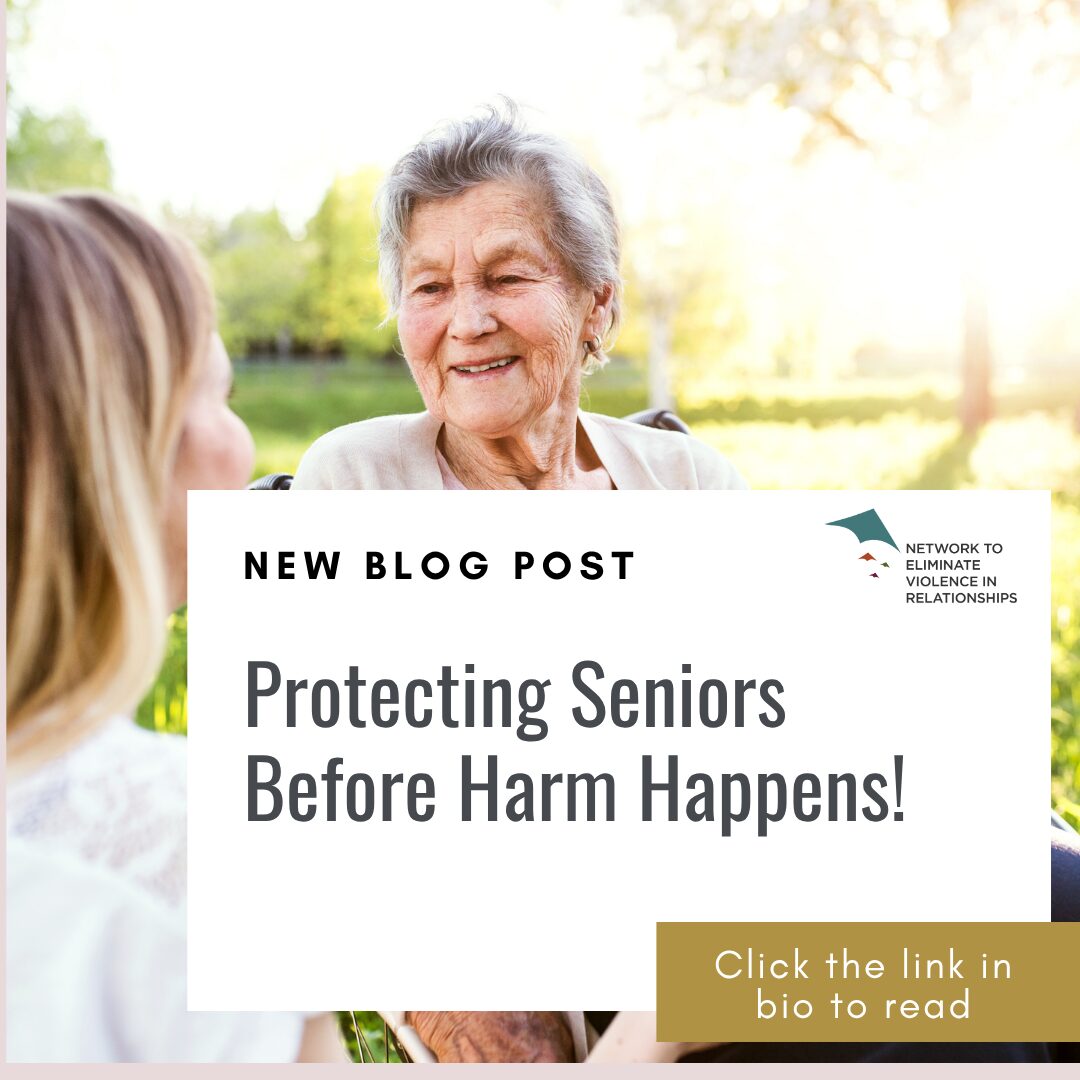
Prevention begins with awareness and connection. Staying socially involved, building supportive networks, and knowing where to get help can reduce the risks of isolation and vulnerability.
Having open conversations about finances, caregiving expectations, and health needs also help set boundaries and reduce misunderstandings that can lead to exploitation or neglect.
Safety Planning Tips:
Older adults can take proactive steps to feel safer and more in control:
- Keep important phone numbers (family, neighbors, helplines) in an easy-to-access place.
- Identify a trusted person to talk to if something feels wrong.
- Protect financial documents, and consider direct deposit for income or pensions.
- Arrange regular check-ins with friends, community members, or faith groups.
- Trust your instincts: if someone’s behavior makes you uncomfortable, set boundaries or seek help.
The Power of Early Intervention:
Early intervention is critical. Abuse rarely stops on its own, and the longer it continues, the more damaging it becomes. Noticing and responding to red flags an older adult might exhibit, such as sudden withdrawal, unexplained injuries, or financial changes, can prevent further harm and restore safety.
SEE it, NAME it, CHECK it
A simple and effective strategy for everyone is SEE it, NAME it, CHECK it:
- SEE it: Watch for warning signs or changes in behaviour.
- NAME it: Call it what it is; abuse, neglect, or exploitation.
- CHECK it: Reach out, ask questions, and offer support or connect the older adult to resources.
We can stop abuse before it starts by creating communities where older adults are safe, valued and respected.
Where to Get Help:
If you suspect abuse, don’t wait. Please call the BC Seniors Abuse and Information Line (1-866-437-1940) or talk to someone you trust. Lastly, small steps, like checking in regularly, can make a big difference in preventing harm to a senior.